
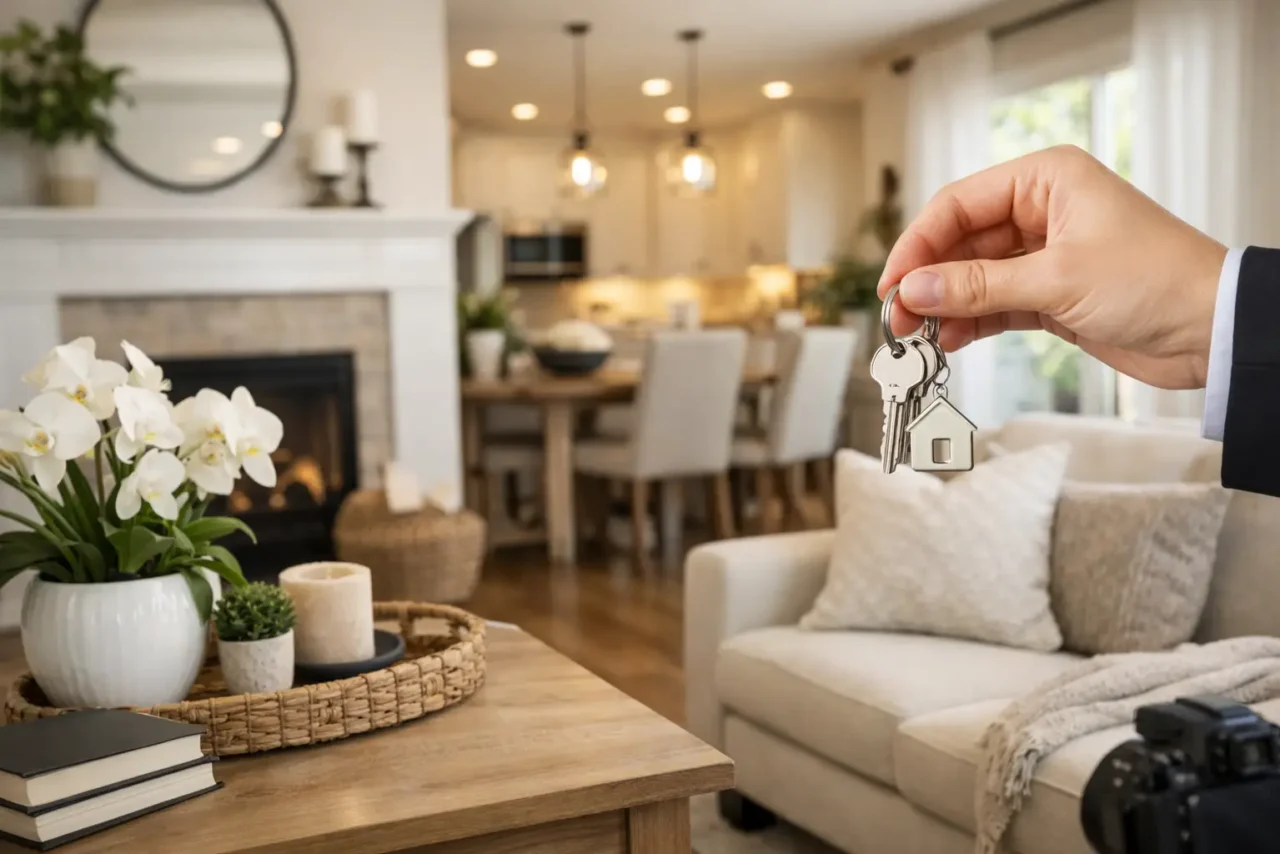

A Houston home can show beautifully at 10 a.m. and feel entirely different by late afternoon, when direct sun, summer heat, and a busy household begin to compete for attention. The most effective home staging tips Houston sellers can use are not about making a house look like someone else lives there. They are about helping buyers quickly understand the home’s space, condition, and potential.
Staging works because buyers make fast emotional and practical judgments. They notice whether rooms feel bright, whether storage seems adequate, whether the home appears cared for, and whether they can picture their own routines there. Thoughtful preparation gives your listing the best chance to make a confident first impression online and in person.
Start With a Buyer’s First 30 Seconds
Before choosing pillows or moving furniture, walk from the curb to the front door as if you are seeing the property for the first time. Look for the small distractions that can signal deferred maintenance: a cluttered porch, dead plants, a stained entry mat, dusty light fixtures, or a door that sticks when opened.
Houston’s weather makes curb appeal more than a cosmetic detail. Heat, humidity, pollen, and sudden storms can leave outdoor spaces looking tired quickly. Mow and edge the lawn, clear drains and walkways, trim overgrown landscaping, and remove cobwebs from the entry. If the front door has faded or worn paint, a fresh coat in an appropriate neutral or classic color can make the approach feel more intentional.
Keep the entry simple. A clean mat, healthy container plants, and a clearly visible house number are usually enough. Buyers should be able to focus on the home, not on an assortment of seasonal decor or personal items.
Home Staging Tips Houston Sellers Need Indoors
Inside, the goal is clarity. Buyers need to see where furniture fits, how rooms connect, and how daylight moves through the home. That is harder when every wall, surface, and corner is occupied.
Edit Before You Decorate
Decluttering is one of the highest-return staging steps because it makes rooms and storage areas appear more functional. Start with countertops, open shelves, bathroom vanities, and floor space. Pack away excess family photos, collections, refrigerator magnets, paperwork, pet supplies, and anything that makes a room feel overly specific to one household.
This does not mean stripping every room bare. A home should still feel warm and lived in. Leave a few well-chosen accessories, such as a simple centerpiece on the dining table or fresh towels in the bath. The difference is that each item should support the room rather than compete with it.
Closets deserve the same attention. Buyers often open them, especially in primary bedrooms, pantries, and linen closets. Removing off-season clothing, matching a few hangers, and leaving visible open space helps demonstrate capacity. If you have already begun packing, use that momentum to reduce what stays in the home through showings.
Make Every Room’s Purpose Obvious
A spare room filled with boxes may be practical while preparing for a move, but it leaves buyers guessing. If possible, give each room a clear job. A secondary bedroom can be staged as a bedroom, a home office, or a flexible study area. A loft can become a reading space or workspace rather than a catch-all zone.
Avoid creating a purpose that feels forced. A small formal dining room does not need a large table squeezed into it simply because the room was designed for dining. In some homes, a smaller table or a more open arrangement better communicates usable square footage. The right choice depends on the room’s proportions and the likely way it will be understood during a showing.
Furniture placement matters just as much as the furniture itself. Pull oversized pieces away from narrow walkways, remove items that block windows, and avoid lining every wall with seating. A room that allows easy movement feels larger and more welcoming.
Use Light Deliberately
Houston sellers often contend with strong sun as well as darker interiors created by covered patios, mature trees, or north-facing windows. Clean windows inside and out where possible, open blinds before showings, and replace burned-out bulbs. Use matching light temperatures within a room so the result feels consistent rather than patchy.
Do not rely on harsh, overly bright bulbs to solve every lighting issue. They can make a room feel clinical and draw attention to imperfections. Warm-to-neutral lighting generally presents living spaces well, while task lighting can help kitchens, bathrooms, and offices feel more usable. Your agent can also advise on what photographs best in your particular home.
Let Buyers See Condition, Not Just Style
Staging cannot substitute for needed repairs. In fact, attractive staging can make a neglected detail more noticeable when it sits next to a polished room. Address obvious issues first: dripping faucets, loose cabinet hardware, cracked switch plates, peeling caulk, damaged screens, and doors that do not close properly.
Pay close attention to kitchens and baths. These rooms do not always require a renovation before selling, but they do require a clean, orderly presentation. Clear kitchen counters except for a few intentional items. Remove small appliances if they crowd the workspace. In bathrooms, put away medications, cleaning products, used towels, and shower accessories. Fresh white or neutral towels can make the space feel crisp without asking buyers to imagine a complete remodel.
If a larger update is under consideration, pause before spending heavily. Repainting an unusually bold wall, replacing a visibly worn carpet, or updating a dated fixture may help. A major renovation, however, may not deliver its full cost back at sale, particularly if market timing or buyer preferences point in another direction. The best decision depends on the home’s condition, price range, and competing listings.
Prepare for Houston Heat, Humidity, and Showings
Comfort influences how long buyers stay and how carefully they look. During warm Houston months, a home that feels stuffy can undermine an otherwise excellent showing. Set the thermostat at a comfortable, reasonable temperature before appointments, and make sure air vents are open and unobstructed. If the HVAC system has been serviced recently, keep related documentation available for your agent.
Moisture and odors require extra attention in this climate. Check under sinks, around windows, near exterior doors, and in closets for signs of dampness or mildew. Resolve the source of any issue rather than covering it with fragrances. Heavy candles, plug-ins, and air fresheners can create concern or overwhelm sensitive visitors. Clean air, fresh linens, and a lightly ventilated home are more convincing.
For properties with patios, pools, balconies, or outdoor kitchens, stage those areas as real extensions of the home. Sweep surfaces, remove broken or weathered furniture, and arrange only what fits comfortably. A modest seating area can help buyers picture morning coffee or an evening gathering. Just make sure it does not obscure the usable space.
Stage for Listing Photos First
Many buyers will decide whether to schedule a showing based on the first several listing images. That means staging should be complete before photography, not after the home goes live. Photograph-ready rooms are clean, well-lit, and free of personal clutter, but they should also look believable.
Avoid chasing a one-size-fits-all trend. A sleek, minimal approach may suit a newer home in Katy, while a home with original architectural character in Houston Heights may benefit from furnishings that respect its scale and details. The common standard is not a particular design style. It is a presentation that lets the property’s strongest features lead.
Before photo day, hide trash bins, pet bowls, cords, remote controls, tissue boxes, and extra toiletries. Turn on lamps and overhead lighting as directed by the photographer, open window coverings, and check reflections in mirrors and glass doors. These details may seem minor, but a camera notices visual clutter quickly.
Keep It Show-Ready Without Losing Your Routine
Living in a staged home can be demanding, especially with children, pets, work schedules, or an active move underway. Create a short reset routine that can be completed before a showing: make beds, clear counters, empty small trash cans, put pet items away, open blinds, and turn on lights. Keep a laundry basket or storage bin handy for last-minute items, then take it with you when you leave.
It is also wise to be flexible about what needs to remain accessible. Some sellers need a functional home office; others need a play area that can be restored quickly. Your staging plan should support the sale without making daily life impossible. A practical plan that stays consistent is more valuable than an elaborate setup that lasts two days.
Thoughtful staging helps buyers feel at ease, but it also gives you a clearer view of what your home truly offers. With local guidance from a team such as RA Brokers, you can prioritize the improvements that support your pricing and marketing strategy, then welcome each showing with confidence.


Leave a Reply