
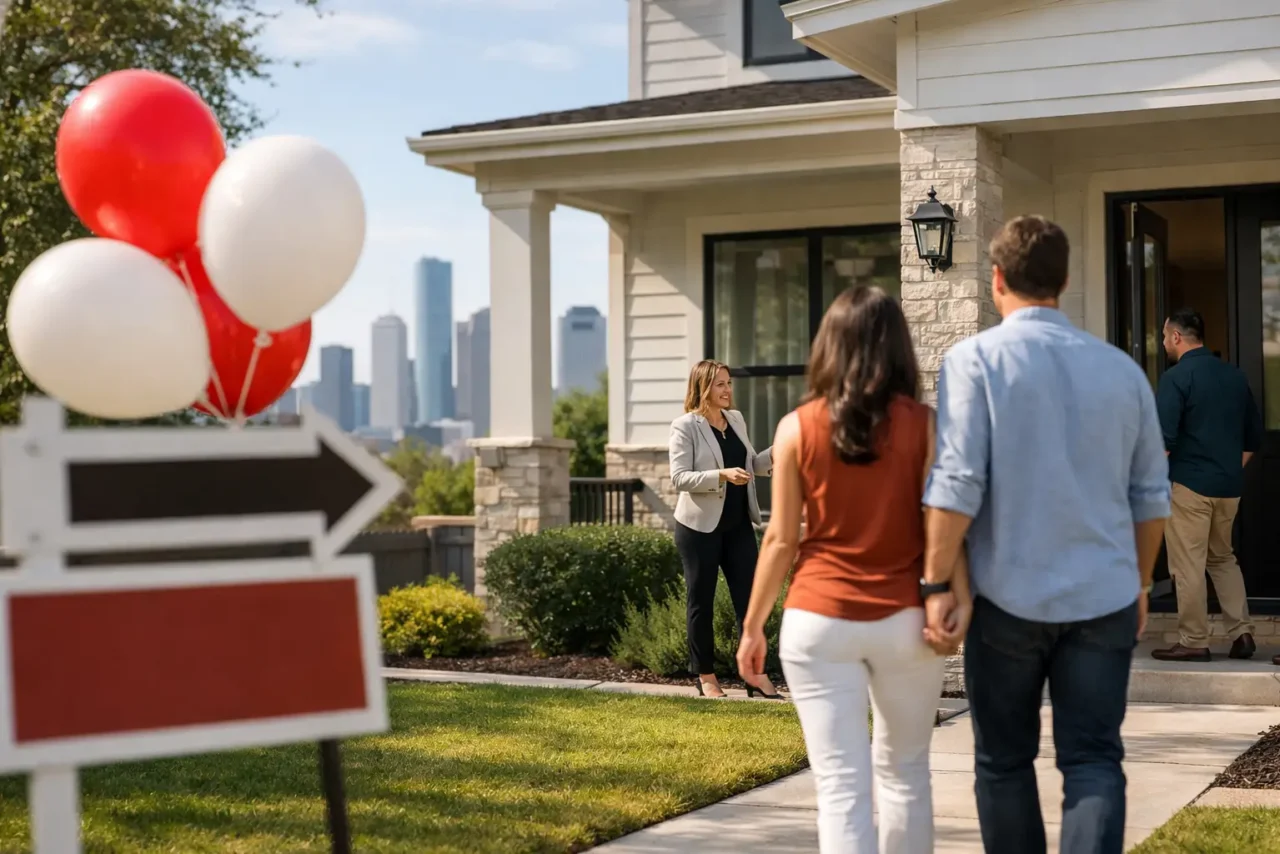

A Saturday open-house route can look easy on a map and become hectic fast. Traffic shifts, a showing runs long, a home draws more interest than expected, and the one property you were most curious about may be pending before Sunday afternoon. Planning your Houston open houses this weekend around more than photos gives you a clearer view of both the homes and the decisions behind them.
Open houses are valuable because they let you compare homes in real time. You can feel the natural light, hear nearby road noise, assess room flow, and notice maintenance details that a listing description cannot fully capture. For buyers, that firsthand perspective can narrow a broad search quickly. For sellers and investors, it also offers a useful read on what is being presented to the market and how buyers are responding.
Start With a Short, Strategic Route
The goal is not to see every available home. It is to visit the homes that could realistically move you forward. Before the weekend, set a comfortable geographic boundary, a price range, and the features that are truly non-negotiable. A long commute between appointments can leave little time to evaluate what you have seen, especially across a market as large as Houston.
Group properties by area whenever possible. If you are comparing options in Katy, The Woodlands, Pearland, or Houston Heights, plan enough time to see the nearby streets as well as the homes themselves. A property may work on paper but feel different once you experience the drive, access points, surrounding amenities, and general layout of the area.
It also helps to separate your priorities into three categories: must-haves, strong preferences, and deal-breakers. A certain bedroom count may be essential, while a renovated kitchen may be a preference. Major foundation concerns, an impractical layout, or a monthly payment outside your comfort level are different matters. This distinction keeps one appealing feature from distracting you from a larger issue.
Confirm Before You Drive
Open-house schedules can change with little notice. A seller may accept an offer, an agent may adjust the event time, or access may be limited because of weather or a scheduling conflict. Confirm the address, hours, and listing status shortly before leaving.
If a property is especially important to your search, consider asking about a private showing as well. An open house is convenient, but it is not always the best setting for a careful evaluation. You may want more time to measure a room, inspect storage, revisit a concern, or discuss the property without a crowd waiting behind you.
What to Look for Inside an Open House
The best open-house visitors balance instinct with observation. You should notice whether a home feels comfortable, but you should also look beyond fresh staging, paint colors, and furnishings that will not remain after closing.
Start with the fundamentals. Pay attention to how the home is oriented, whether the floor plan suits your daily routine, and how easily rooms connect. Consider where groceries would come in, where guests would park, where laundry happens, and whether the primary spaces function well at the times of day you are most likely to use them.
Then look for visible condition clues. These do not replace a professional inspection, but they can help you decide what deserves a closer look. Notice uneven flooring, cracks around doors or windows, signs of moisture, aging caulk, roof-line irregularities, and the condition of visible mechanical systems. In the Houston area, drainage, foundation history, roof condition, insurance considerations, and flood-related disclosures may all warrant thoughtful questions depending on the property.
Do not assume every concern is a reason to walk away. Older homes can offer character, location, or lot size that newer construction may not provide. Newer homes can reduce near-term maintenance uncertainty but may come with different trade-offs, such as smaller yards or a more limited inventory of mature landscaping. The right choice depends on your budget, timeline, and willingness to take on improvements.
Ask Questions That Produce Useful Answers
The agent hosting the home can often share details that are not obvious during a short visit. Ask when the home came on the market, whether there have been price changes, what updates were completed and when, and whether the seller has received offers. You can also ask about homeowners association fees, utility considerations, known repairs, and what conveys with the sale.
Keep in mind that the hosting agent represents the seller unless another arrangement is clearly established. Their role is to market the property and communicate the seller’s position. A buyer’s agent can help you interpret what you learn, review comparable sales, identify due-diligence questions, and structure an offer around your interests.
How to Compare Houston Open Houses This Weekend
After three or four tours, details begin to blur. Take a few minutes after each visit to record what stood out. A simple note on your phone can be enough: overall condition, best feature, biggest concern, estimated renovation needs, and how the home compares with the others you have seen.
Avoid rating homes solely on finishes. A beautifully updated property may still have a layout that does not serve your needs, while a home with dated flooring may have the better location, lot, or long-term potential. Think in terms of total cost and total fit. The purchase price is only one part of the decision; possible repairs, taxes, insurance, association fees, financing terms, and future improvements can all affect the numbers.
For investors, open houses can be an efficient way to assess demand drivers and renovation scope, but the analysis should go further. Rental assumptions, holding costs, local regulations, insurance, projected repair needs, and resale competition deserve a disciplined review. A property that attracts visitors may not automatically meet your investment criteria.
For move-up buyers, the challenge is often timing. You may be deciding whether to buy first, sell first, or coordinate both transactions. Seeing homes in person can clarify your target price and must-have list, but it should be paired with a realistic discussion of your current home’s market position and the financial path that best protects your flexibility.
Be Ready If You Find the Right Home
A productive weekend can lead to a quick decision, particularly when a well-priced home shows strong interest. Preparation does not mean rushing. It means having enough information in place to act thoughtfully if the right property appears.
Before touring, know your comfortable monthly payment range and have current financing information available if you plan to purchase with a loan. A pre-approval can help define your range, but buyers should also reserve room for closing costs, moving expenses, and any improvements they expect to make after closing. Cash buyers benefit from preparation too, since proof of funds and a clear plan for inspections, title work, and timing can strengthen an offer.
If a home rises to the top of your list, revisit it if possible. Visit at a different time of day, review the seller’s disclosures, and ask for a closer look at any concerns. Then evaluate the offer strategy in context. Price matters, but so do option periods, closing dates, financing contingencies, repair requests, and the seller’s preferred terms. The strongest offer is not always the highest number. It is the offer that is competitive while still protecting your financial and contractual interests.
RA Brokers helps clients turn that open-house momentum into an informed next step, with local guidance that stays focused on the home, the numbers, and the terms that matter to you.
Keep the Weekend in Perspective
Not every open house needs to become a serious contender. Sometimes the value is learning that a certain floor plan is too tight, a renovation level is not worth the premium, or your preferred search area needs to expand. Those are useful discoveries, not wasted time.
Give yourself permission to be selective, ask direct questions, and pause before making an emotional decision. The right home should not only look good for an afternoon. It should make sense for your life, your budget, and the next chapter you are building.


Leave a Reply